PRP Eye Drops for Dry Eye: Advanced Treatment Insights and Dispelling Common Myths
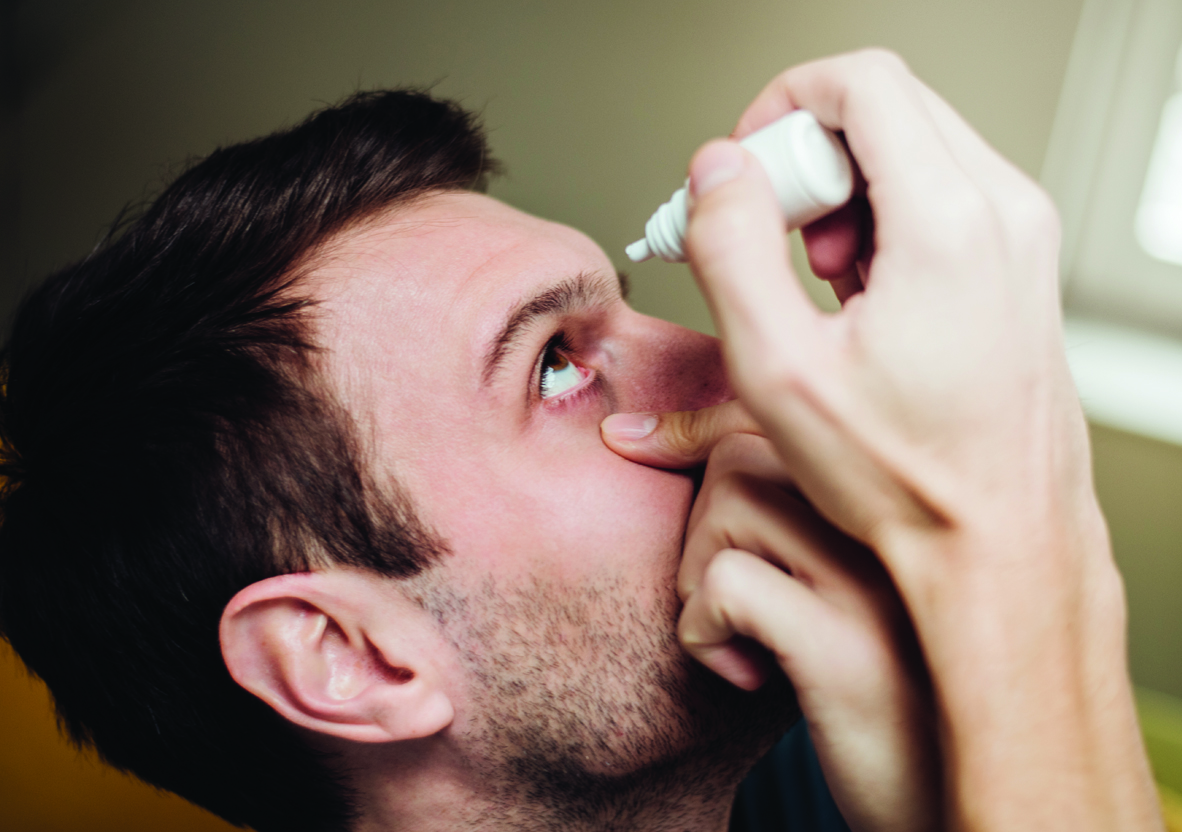
When standard treatments fail to address Dry Eye Disease (DED), PRP Eye Drops for Dry Eye offer a compelling, regenerative alternative. Packed with growth factors, vitamins, and cytokines, PRP eye drops closely mimic natural tears. This innovative therapy supports corneal and conjunctival repair while alleviating symptoms of Ocular Surface Disease (OSD).
While interest in blood-derived treatments for OSD is rising, some practitioners remain hesitant due to persistent misconceptions. This guide aims to clarify those myths, answer common questions about PRP therapy, and explain how to access this advanced treatment for dry eye.
Dispelling Common Myths About PRP Eye Drops for Dry Eye
We tackle the most frequent misunderstandings surrounding Platelet-Rich Plasma (PRP) therapy in ophthalmology.
Myth 1: PRP Eye Drops Lack Evidence of Effectiveness
Fact: Numerous clinical studies confirm that PRP Eye Drops for Dry Eye can significantly improve symptoms of moderate to severe DED, including aqueous-deficient and evaporative forms.
-
Superior Results: One randomized trial found PRP superior to sodium hyaluronate in improving both symptoms and objective measures, particularly in severe cases.
-
Diverse Applications: PRP has shown benefits for neuropathic and LASIK-induced dry eye, with of post-LASIK patients reporting symptom relief.
-
Tissue Repair: PRP is effective for persistent corneal ulcers and reducing recurrent corneal erosions due to its high concentration of growth factors that promote tissue healing.
Myth 2: PRP and Autologous Serum Are the Same
Fact: While both are blood-derived treatments, PRP Eye Drops and Autologous Serum (AS) differ significantly in composition and efficacy.
Studies consistently show that PRP, due to its preparation process, contains significantly higher concentrations of regenerative factors like EGF, FGF, VEGF, and NGF, which enhance tissue repair and provide greater symptom relief than standard serum drops.
Myth 3: Accessing PRP Eye Drops Is Complicated
Fact: Access to PRP has become much easier with specialized compounding pharmacies. These pharmacies streamline the process from prescription to delivery while adhering to high safety standards.
A typical treatment involves using the drops 4–6 times daily for three months, with repeat cycles as needed. Proper patient counseling on storage and administration is vital for optimal outcomes.
Myth 4: Patients Are Unwilling to Pay for PRP Eye Drops
Fact: While PRP Eye Drops for Dry Eye are rarely covered by insurance, many patients with advanced DED are willing to invest in this treatment after learning about its superior benefits.
Like other innovative OSD therapies (such as thermal pulsation or intense pulsed light), PRP remains a valued option for those seeking relief from debilitating symptoms. Critically, because it is derived from the patient’s own blood, PRP contains no preservatives or additives.
Myth 5: PRP Eye Drops Are Only for Severe Cases
Fact: PRP Eye Drops for Dry Eye are not limited to last-resort cases. DED is a progressive condition, and earlier intervention with PRP may be appropriate, particularly for moderate to advanced cases where conventional treatments have failed. Clinical evidence supports PRP as a proactive option for improving outcomes.
Simplifying Access to Advanced PRP Therapy with Vivmeds
Vivmeds Pharmacy is committed to providing compliant and efficient compounding services for PRP Eye Drops for Dry Eye.
Through streamlined workflows and clear protocols, Vivmeds helps practitioners and patients navigate the necessary steps—such as sample collection, preparation, and delivery—while upholding rigorous safety practices. Vivmeds’ specialized support makes it easier for eye care providers to offer advanced therapies while ensuring that patient safety and quality standards remain a top priority.
Looking for more dry eye resources? Check out our articles on Autologous Serum Eye Drops and Innovative Treatments for Ocular Surface Disease.
Dry eye disease demands innovative solutions. PRP eye drops represent a promising option, especially when traditional therapies fall short. By staying informed about cutting-edge treatments and responsible compounding practices, healthcare providers can help patients access effective options for managing dry eye.