Autologous Serum Eye Drops: The Underutilized, All-Natural Therapy for Ocular Surface Disease
A practical guide to how autologous serum heals the eye, who it helps, and why it remains underused.
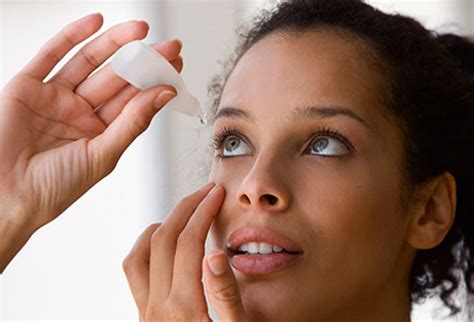
Ocular surface disorders like severe dry eye syndrome, persistent epithelial defects, and Sjögren syndrome can significantly impact a patient’s quality of life, causing pain and vision loss. While treatments range from artificial tears to specialized devices, one highly effective, biocompatible option remains underutilized: Autologous Serum Eye Drops (ASEDs). These blood-derived drops offer a unique way to heal the eye’s surface by mimicking the body’s natural tears.
This post will explore the compelling science behind Autologous Serum Eye Drops. We will cover their mechanism of action, the significant benefits they offer patients, and the practical solutions that eliminate the logistical barriers to their use. By understanding this powerful therapy, eye care practitioners can better serve patients who could benefit from it much earlier in their treatment journey.
How Autologous Serum Mimics Natural Tears
The body produces basal tears continuously to lubricate and protect the ocular surface. These tears are a complex mixture of water, lipids, proteins, electrolytes, and essential growth factors.
Autologous Serum Eye Drops are created from a patient’s own blood. The process involves drawing blood, allowing it to clot, centrifuging it to separate the serum, and then diluting the resulting serum with sterile saline to a specific concentration.
The resulting serum contains many of the same vital components found in basal tears, including:
-
Proteins: Lysozyme, lactoferrin, and immunoglobulins provide crucial antibacterial properties.
-
Growth Factors: Epidermal growth factor (EGF) and others that actively help heal and regenerate the ocular surface epithelium.
-
Vitamins: Key vitamins (like A and C) that support overall ocular health.
-
Electrolytes: Sodium, potassium, and calcium maintain the eye’s biochemical balance.
The primary mechanism of action for Autologous Serum Eye Drops is to replicate the healing properties of natural tears. In fact, in many cases, the concentration of these beneficial components in ASEDs is even higher than in basal tears, providing a potent boost to the eye’s healing process.
The Distinct Advantages of Using Autologous Serum Eye Drops
For patients with moderate to severe ocular surface disease, ASEDs offer distinct advantages over traditional therapies. Unlike standard artificial tears, these drops are not just a lubricant; they are an active, regenerative treatment.
Overcoming Barriers to ASEDs Access
Despite their proven effectiveness, Autologous Serum Eye Drops are often not a first-line treatment due to practical and financial barriers.
Cost and Insurance Coverage
ASEDs are compounded, non-FDA-approved therapies, which means they are generally not covered by medical insurance. The out-of-pocket cost for a supply (typically a three-month batch) is a significant barrier for many patients.
Accessibility and Compounding Logistics
Preparing Autologous Serum Eye Drops requires complex, sterile compounding, a service that is less common in local pharmacies. Finding a specialized lab to efficiently perform the blood draw, sterile preparation, and cold-chain delivery has historically been challenging for both practitioners and patients.
Fortunately, specialized compounding pharmacies have streamlined this process:
For example, Vivmeds Pharmacy offers a comprehensive solution for compounding Autologous Serum Eye Drops. We manage every step, from coordinating the blood draw to the sterile preparation of the drops according to the doctor’s specifications. This streamlined workflow minimizes administrative burden for practitioners, ensuring timely delivery and easy refills for patients.
By leveraging expert pharmacy resources, providers and patients can now access this therapy with greater ease, reducing the logistical barriers traditionally associated with ASEDs.
Practitioner Hesitation
The perception that ASEDs are a complex, last-resort therapy often means patients do not get the option until their disease is in an advanced stage. However, once a practitioner establishes a clear workflow with a specialized compounding partner, the prescribing process becomes much simpler and can benefit patients earlier.
Alternative Blood-Derived Eye Therapies
When cost or logistics make standard Autologous Serum Eye Drops unfeasible, alternative blood-derived options exist:
-
Homologous Serum: Created using serum from a donor instead of the patient.
-
Cord Blood Serum: Another donor-based option derived from umbilical cord blood.
-
Finger-Prick Autologous Blood: A low-cost method where the patient applies a single drop of whole blood directly into the eye. Studies have shown this can be effective for persistent corneal epithelial defects when performed several times a day.
These alternatives require careful consideration by the prescribing clinician, as their efficacy and prescription processes may differ from standard ASEDs.
Offer Autologous Serum as a Viable Option
Autologous Serum Eye Drops are a powerful, all-natural treatment for a wide range of ocular surface disorders. Their ability to mimic and enhance the healing properties of natural tears makes them an invaluable tool for improving patient outcomes.
While barriers like cost are real, they should not prevent practitioners from presenting this therapy as a primary, viable option. Patients with ocular surface disease deserve to know about all available treatments that could dramatically improve their condition. By educating patients and empowering them to make an informed decision, you help them take control of their health. It is time to consider ASEDs not as a last resort, but as an effective therapy to be introduced earlier in the treatment process.